Is Your School at Risk? The Real Liabilities of Wood Dust in School Woodshops
July 9, 2025
Schools with woodshops have a legal and moral responsibility to protect students and staff from the dangers of wood dust. Without a properly designed wood dust collection system, you may face serious liability risks, ranging from lawsuits to costly code violations.
The Real Liabilities of Wood Dust in Schools
1. Health and Safety Risks
Wood dust is classified as a potential carcinogen by OSHA and the International Agency for Research on Cancer (IARC). Prolonged exposure can lead to:
- Respiratory issues
- Allergic reactions
- Eye and skin irritation
Failing to control exposure can result in workers’ compensation claims, personal injury lawsuits, and long-term liability.
2. Fire and Explosion Hazards
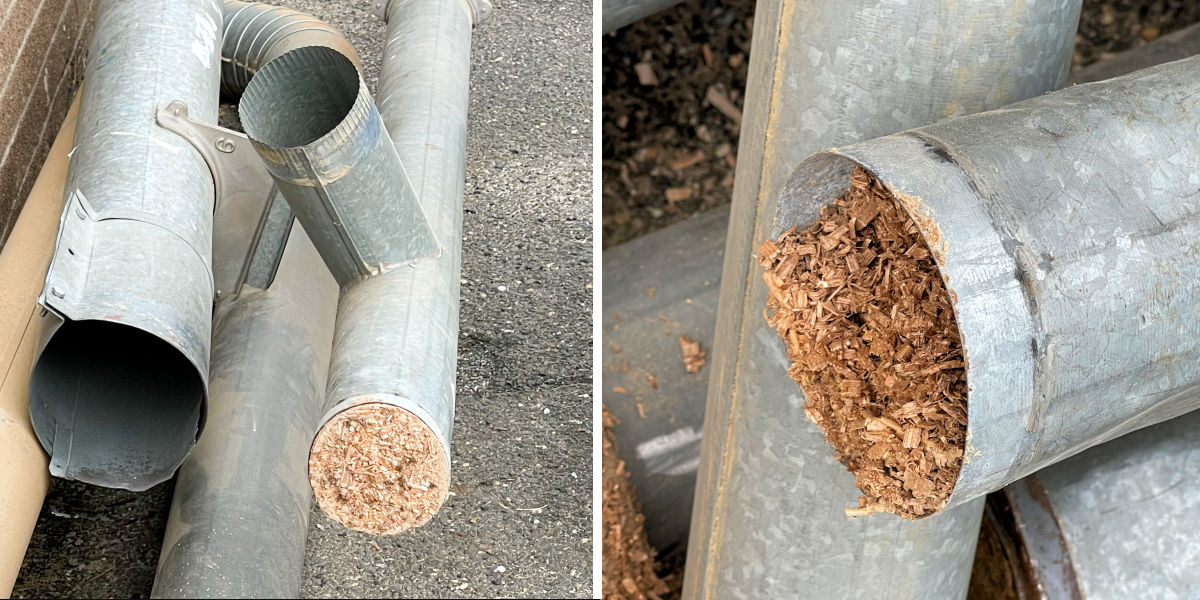
Wood dust is highly combustible and responsible for nearly 25% of all reported combustible dust incidents, second only to agricultural dust. Inadequate collection systems increase the risk of fires and explosions in school facilities.
3. Regulatory Noncompliance
Improper design, installation, or maintenance of your dust collection system may violate:
- NFPA 660
- OSHA air quality and workplace safety rules
- State and local fire/building codes
Neglecting maintenance (e.g., clogged filters, full bins, broken blast gates) can also trigger liability for accidents and injuries.
Dust Collection Done Right
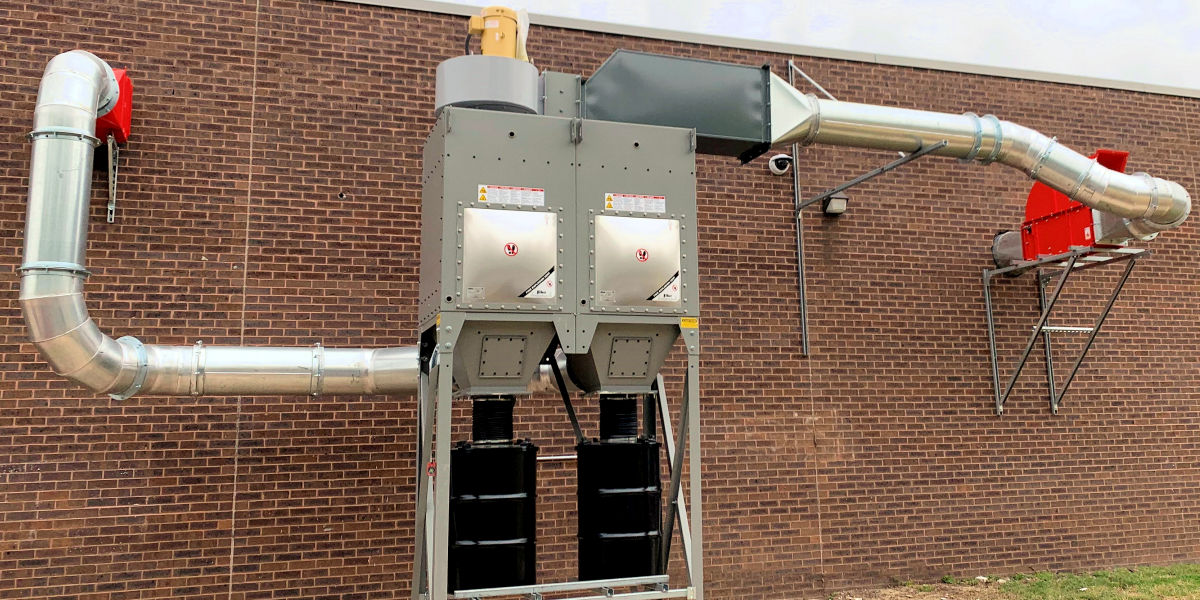
Learn How Clean Air Company Designs for Safety and Compliance
Clean Air Company recently helped bring Delran High School, Piscataway High School, and West Lake High School into code compliance by installing custom-designed wood dust collection systems. Here’s what goes into creating a safe, compliant solution:
1. Identifying Dust Sources and CFM Requirements
Each tool (e.g., table saw, planer, router) generates different types of dust. We evaluate every tool’s dust output and determine the minimum cubic feet per minute (CFM) needed to ensure proper collection. The total system CFM must meet or exceed usage requirements to maintain proper conveying velocity (typically 4,000 feet per minute).
2. Calculating Static Pressure Loss
Long duct runs, elbows, reducers, and filters increase resistance. We size the fan motor (in horsepower) based on the total pressure loss, just like it’s harder to breathe through a straw than through a wide pipe.
3. Optimizing Ductwork Design
We use smooth-walled, rigid galvanized steel ducts with large-radius elbows and minimal flexible hose. Our clamp-together systems are modular, allowing for easy tool relocation or upgrades down the road.
4. Planning for Air Filtration and Venting
Whether the air is vented outside or recirculated indoors, we assess your building’s needs. Indoor return systems may require added fire and explosion protection. In some cases, adding a makeup air unit is a more cost-effective solution.
5. Right-Sizing the Collection Bins
Bins are matched to the shop’s dust output, making them easy to empty without constant interruptions or overflow risks.
6. Intelligent System Controls
Modern dust collection systems can automatically start with tool activation, shut down in the event of a spark, or trigger abort gates if danger is detected. We customize controls based on system size and the type of safety equipment.
Protect Your School with a Compliant Dust Collection System from Clean Air Company
Don’t leave your school exposed to preventable risks. Clean Air Company designs, installs, and services wood dust collection system for educational institutions throughout New Jersey, Pennsylvania, New York, Delaware, and Connecticut. Our experts help you meet safety codes, reduce liability, and create a healthier learning environment.
Contact us today to take the first step toward a healthier, safer, and code-compliant school environment.