Breathing Exhaust Emmisions
June 23, 2021
 hazard. Nitrogen oxides (NOx), Sulfur
dioxide (SO2), Carbon monoxide (CO), benzene, acetaldehyde, and other
volatile organic compounds (VOCs) are associated with causes of asthma, lung
irritations, and cancer.
hazard. Nitrogen oxides (NOx), Sulfur
dioxide (SO2), Carbon monoxide (CO), benzene, acetaldehyde, and other
volatile organic compounds (VOCs) are associated with causes of asthma, lung
irritations, and cancer.
In 1989 the National Institute for Occupational Safety & Health published Current Intelligence Bulletin 50, which documented numerous studies on diesel exhaust. The conclusion of this study lead to the reclassification of diesel exhaust as an A1, highly suspected carcinogen
In 2002 the Environmental Protection Agency published the Health Assessment Document for Diesel Engine Exhaust. The purpose of this study was to provide information on diesel exhaust and its potential environmental health hazards to help formulate regulatory reform needed under the Clean Air Act. This study focused on the quality of the air we breathe outside. The study showed strong correlations in cancers and respiratory ailments in areas with higher levels of vehicle exhaust emissions.
 In
2007 new regulations in the Clean Air Act mandated diesel-powered vehicles
manufactured after 2007 be outfitted with diesel particulate filtration
(DPF) systems to reduce carbon emissions.
The goal was to
improve the outdoor air quality, especially in metropolitan areas with air
quality problems due to the increased volume of diesel-powered engines. The biggest misconception with
DPF filtration is the exhaust emissions are safe to breathe.
Indeed, there is a noticeable difference, those plumes of
smoke emitted out the tailpipe are a thing of the past, but the exhaust is
not safe to breathe. DPF
systems filter the larger particulates (> 2.5um) from the exhaust, but
the most dangerous of the particulates is the submicron particle size pass
right through the filter.
In
2007 new regulations in the Clean Air Act mandated diesel-powered vehicles
manufactured after 2007 be outfitted with diesel particulate filtration
(DPF) systems to reduce carbon emissions.
The goal was to
improve the outdoor air quality, especially in metropolitan areas with air
quality problems due to the increased volume of diesel-powered engines. The biggest misconception with
DPF filtration is the exhaust emissions are safe to breathe.
Indeed, there is a noticeable difference, those plumes of
smoke emitted out the tailpipe are a thing of the past, but the exhaust is
not safe to breathe. DPF
systems filter the larger particulates (> 2.5um) from the exhaust, but
the most dangerous of the particulates is the submicron particle size pass
right through the filter.
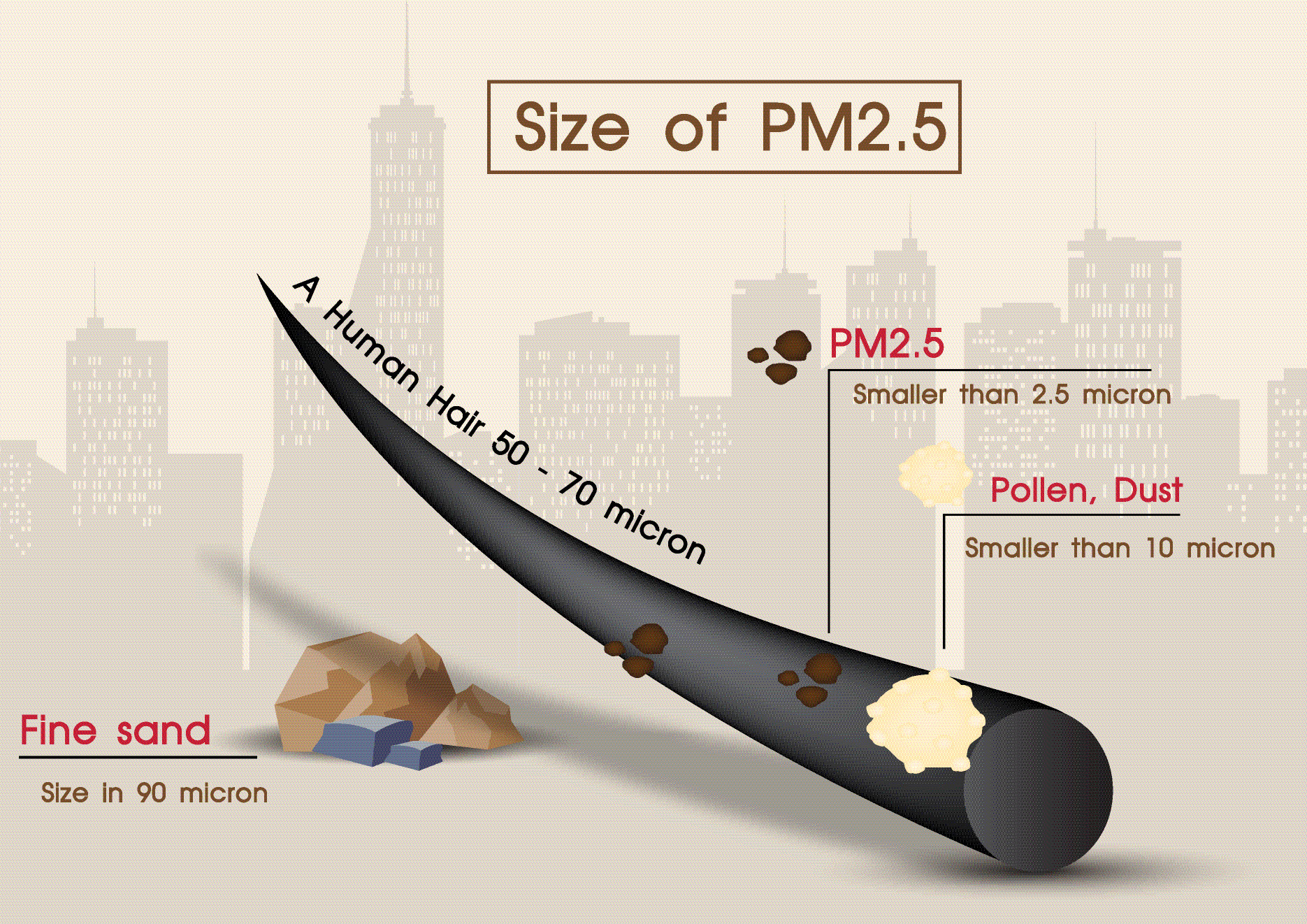
The size of diesel particulates passing through the
filter is less than 1 micron.  To
put that into a size perspective, the diameter of a human hair is roughly
70 microns. These submicron
invisible particulates consist of a complex mixture of polynuclear
hydrocarbons and are known carcinogens.
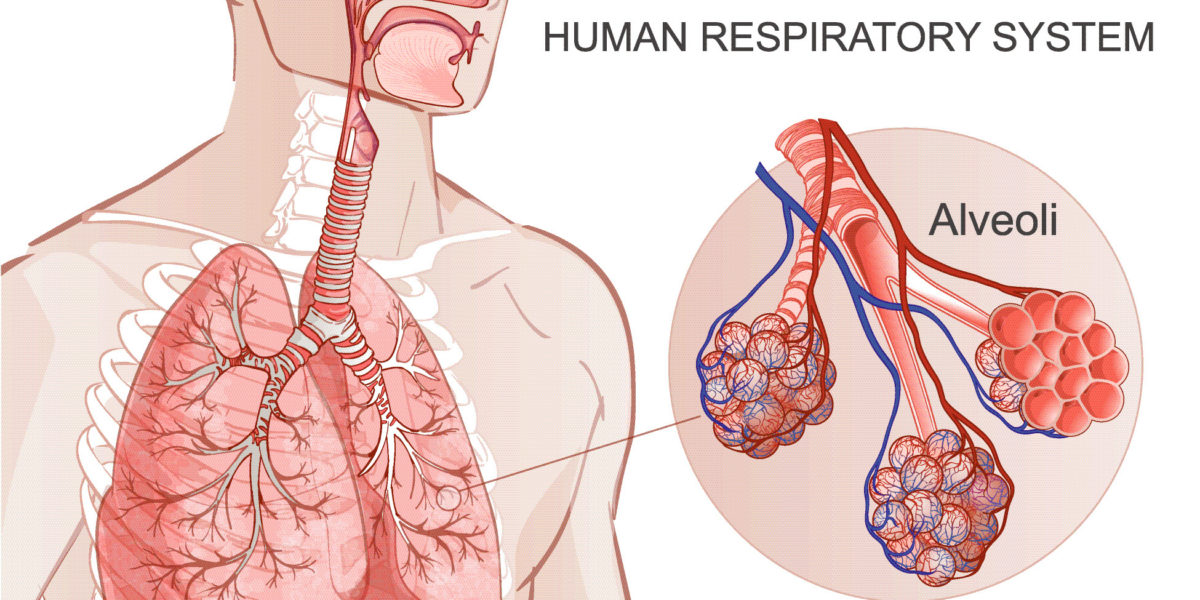
The size of these particles is dangerous because they travel into
the deepest part of the lung, the alveoli, where it becomes trapped. It
should be understood the DPF system has made great strides at improving
outdoor air quality. However,
from an indoor air quality perspective, the code mandates source capture
for a reason.
To
put that into a size perspective, the diameter of a human hair is roughly
70 microns. These submicron
invisible particulates consist of a complex mixture of polynuclear
hydrocarbons and are known carcinogens.
The size of these particles is dangerous because they travel into
the deepest part of the lung, the alveoli, where it becomes trapped. It
should be understood the DPF system has made great strides at improving
outdoor air quality. However,
from an indoor air quality perspective, the code mandates source capture
for a reason.
A source capture system is defined as a mechanical connection to the exhaust pipe and vented directly outdoors. Clean Air Company has been designing and installing vehicle exhaust source capture systems since the late 1980s. Source capture systems continue to be the only code-compliant solution allowed and remain the most reliable design to protect employees from the harmful effects of exhaust emission exposure.
Some of our customers include Con Edison, PSE&G, United States Postal Service, Port Authority of NY & NJ, Atlantic Detroit Diesel, UPS, NYC Sanitation, NJ Turnpike Authority, Jersey City Fire Department & NJ Department of Transportation, just to name a few. We offer hose reels, portable exhaust systems, high-temperature exhaust hoses, firehouse exhaust systems, and various styles of exhaust nozzles.
For more information on the hazards of diesel exhaust, code-compliant solutions, or free site survey, reach out to a Clean Air specialist today.